Understanding Cyber Security Threats and Protection Measures

Understanding Cyber Security Threats and Protection Measures

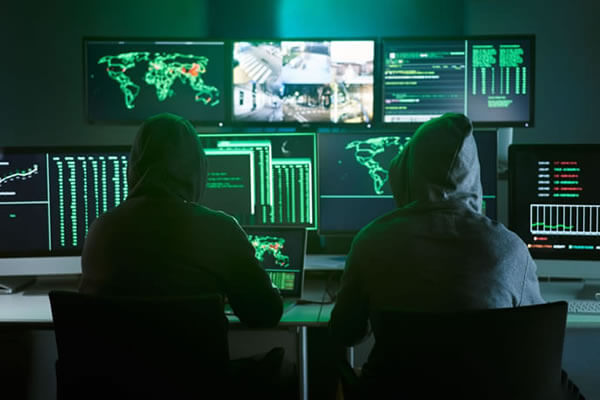
In today’s interconnected world, where digital transactions and communication have become the norm, high net worth individuals (HNWIs) and VIPs are increasingly targeted by cybercriminals seeking financial gain, sensitive information, or even personal disruption. These individuals, with their significant assets and influential positions, stand as prime targets for a range of cyber threats, including phishing scams, social engineering tactics, ransomware attacks, and insider threats. Understanding these threats and implementing robust protection measures is paramount in safeguarding their wealth, reputation, and personal safety.

Cyber Security Threats Targeting HNWIs and VIPs

Phishing Attacks:

Phishing remains one of the most pervasive cyber threats targeting individuals across all strata of society, including HNWIs and VIPs. Cybercriminals deploy deceptive tactics to impersonate legitimate entities, such as financial institutions, government agencies, or trusted contacts, in an attempt to obtain sensitive information like login credentials, financial details, or personal data. These attacks are often delivered via fraudulent emails, text messages, or social media messages, designed to lure victims into clicking malicious links or disclosing confidential information unwittingly.

Social Engineering:

Social engineering tactics manipulate human psychology to exploit trust, authority, or fear, ultimately tricking individuals into divulging sensitive information or performing actions that compromise security. Cybercriminals may employ sophisticated strategies, such as pretexting, baiting, or tailgating, to manipulate victims into disclosing confidential information or granting unauthorized access to systems or accounts. High net worth individuals and VIPs, with their extensive networks and influential positions, are particularly susceptible to these targeted social engineering attacks.

Ransomware:

Ransomware attacks have evolved into a highly lucrative form of cybercrime, targeting not only organizations but also high-profile individuals, including HNWIs and VIPs. These attacks involve malicious software that encrypts valuable data on the victim’s devices, rendering it inaccessible until a ransom is paid. Cybercriminals exploit the victim’s fear of data loss or reputational damage, demanding exorbitant ransom amounts for the decryption key. Given their access to sensitive information and financial resources, HNWIs and VIPs are prime targets for ransomware attacks, posing significant risks to their assets and reputation.

Insider Threats:

Insider threats, whether intentional or unintentional, pose a significant risk to the security of HNWIs and VIPs. Trusted individuals within their inner circle, including employees, contractors, or even family members, may exploit their access to sensitive information for personal gain, financial motives, or malicious purposes. Insider threats could involve data theft, espionage, or sabotage, jeopardizing the confidentiality, integrity, and availability of critical assets and information.

Strategies for Protecting Against Cyber Threats

Strategies for Protecting Against Cyber Threats

Cybersecurity Awareness:

Education is paramount in mitigating cyber risks. High net worth individuals and VIPs should invest in cybersecurity training and awareness programs for themselves and their inner circle. By staying informed about the latest cyber threats, security best practices, and emerging trends, they can enhance their resilience against potential attacks and minimize the likelihood of falling victim to scams or malicious activities.

Strong Authentication Measures:

Implementing robust authentication measures, such as multi-factor authentication (MFA), biometric authentication, or hardware tokens, can significantly enhance the security of accounts and devices. By requiring multiple forms of verification, such as passwords, biometric data, or one-time codes, these measures make it more difficult for cybercriminals to gain unauthorized access, even if they obtain login credentials through phishing or other means.

Secure Communication Channels:

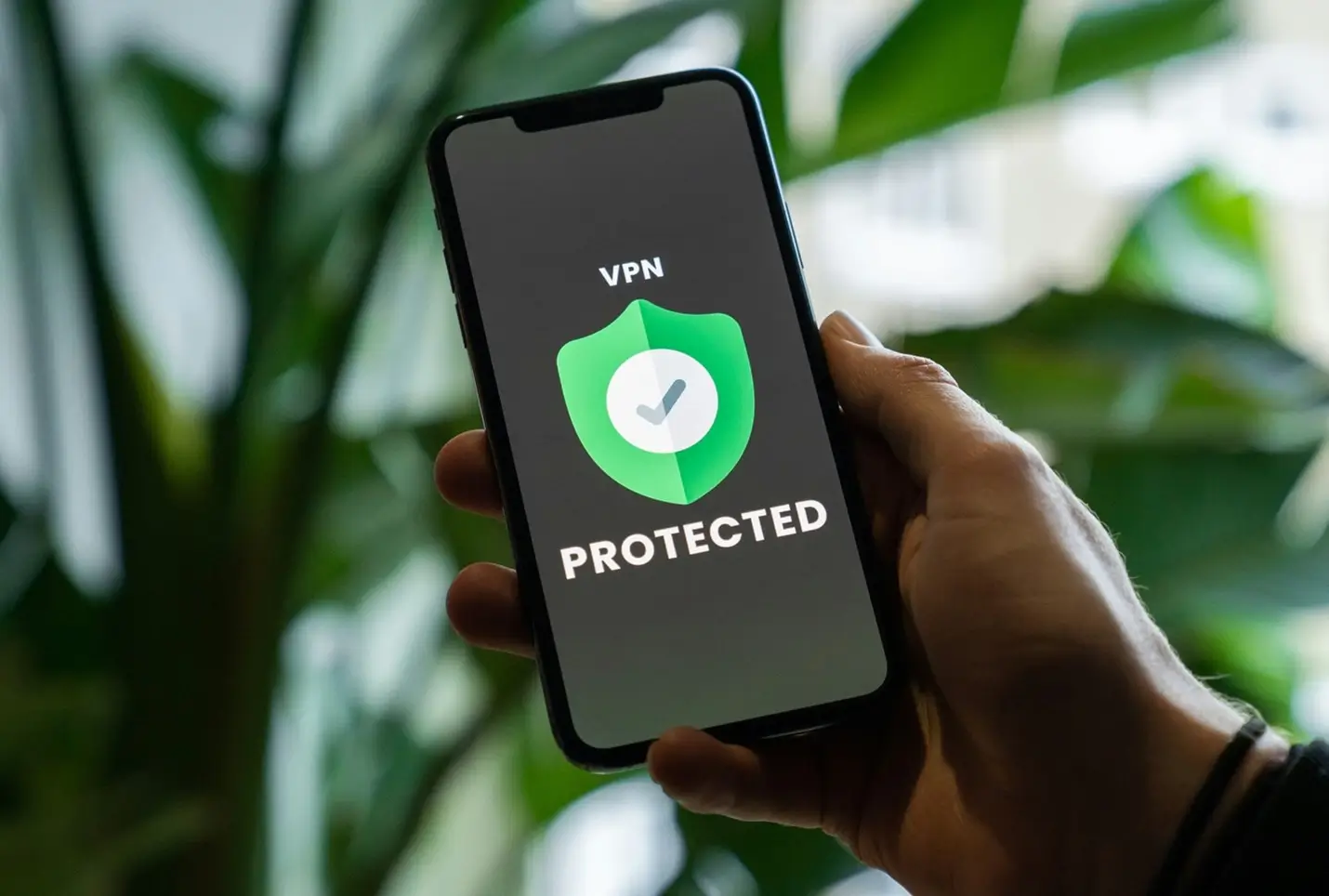
Utilizing secure communication channels, such as encrypted messaging apps, virtual private networks (VPNs), or secure email services, can help protect sensitive conversations and data from interception or eavesdropping by cybercriminals. Encrypted communication ensures that messages and information remain confidential and tamper-proof, safeguarding the privacy and integrity of sensitive communications.

Regular Security Audits:

Regularly auditing security measures and conducting vulnerability assessments can help identify and address any potential weaknesses in systems, processes, or controls. High net worth individuals and VIPs should enlist the services of cybersecurity professionals to assess their security posture, identify potential vulnerabilities, and implement remediation measures to mitigate risks effectively.

Cyber Security

Identifying Signs of Phishing or Hacking

Suspicious Emails or Messages:

Be vigilant for signs of phishing emails or messages, including unsolicited requests for sensitive information, urgent calls to action, or unfamiliar sender addresses. Exercise caution when clicking on links or downloading attachments from unknown sources, as these could be indicators of phishing attempts aiming to compromise security or steal sensitive information.

Unexpected Account Activity:

Monitor financial accounts, online profiles, and digital assets for any unusual activity, such as unauthorized transactions, changes to account settings, or suspicious login attempts. Report any suspicious activity to the relevant authorities immediately and take prompt action to secure compromised accounts or assets to prevent further damage or loss.

Unusual Device Behavior:

Pay attention to any unusual behavior or performance issues with devices, such as unexpected pop-ups, slow performance, or unexplained changes in settings. These could be indicators of malware infections, unauthorized access, or other security breaches that require immediate attention and remediation to prevent further compromise or damage.

Trust Your Instincts:

Trust your instincts and exercise caution when interacting with unfamiliar individuals, requests, or situations, especially if they seem too good to be true or create a sense of urgency. When in doubt, verify the authenticity of requests through independent channels, such as official websites, contact numbers, or in-person interactions, before taking any action that could compromise security or privacy.

In conclusion, high net worth individuals and VIPs face a myriad of cyber threats in today’s digital landscape, ranging from phishing scams and social engineering tactics to ransomware attacks and insider threats. By understanding these threats, implementing robust protection measures, and remaining vigilant for signs of phishing or hacking attempts, they can effectively safeguard their assets, reputation, and personal safety against cybercriminals. In an ever-evolving threat landscape, proactive cybersecurity measures and continuous vigilance are essential to mitigate risks and ensure resilience against emerging cyber threats. Remember, when it comes to cybersecurity, prevention is always better than cure.

Contact Samaritan Protective Services today for a free consultation.

Contact Samaritan Protective Services today for a free consultation.

Follow us on Facebook

Samaritan Protective Services is located at 3985 Prince William Parkway, Suite 203, Woodbridge, VA 22192. Founded in 2015, we specialize in Executive Protection, Corporate Security, Workplace Violence ProtectionBodyguard, Armed Security, Close Protection, Security Consulting, House of Worship, Dignitary Protection, Celebrity ProtectionEvent Security, Private Investigations, TSCM, Armored Car, Surveillance, Counter surveillance, Secure Transportation, VIP Protection Services, Intelligence and Risk Advisory, Emergency Response and more.
Enhancing Peace of Mind: The Value of Licensed and Professional Uniformed Security Officers

Enhancing Peace of Mind: The Value of Licensed and Professional Uniformed Security Officers

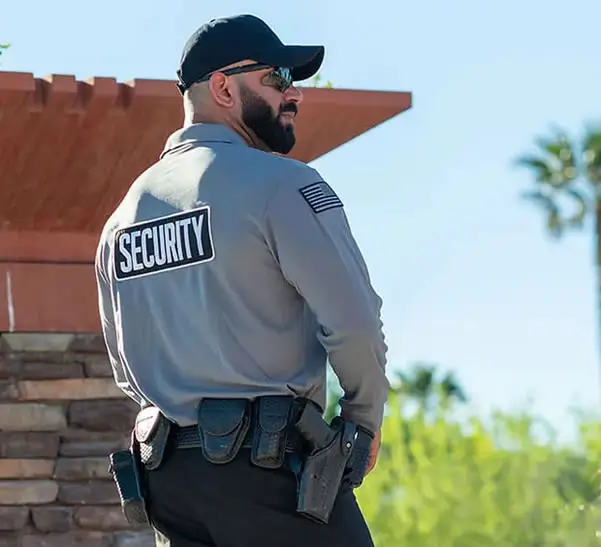
In today’s dynamic and often unpredictable world, businesses of all sizes and types face an array of security challenges. From protecting assets and ensuring the safety of employees to safeguarding customers and properties, security concerns are paramount. In response to these challenges, many businesses are turning to licensed and professional uniformed security officers to bolster their security measures. Samaritan Protective Services, offering both armed and unarmed security officers throughout Virginia and the District of Columbia (Special Police Officers), stands at the forefront of this vital service. Let’s delve into how partnering with an established and credible security provider can significantly increase peace of mind for businesses across various sectors, including homeowner associations, residential communities, retail establishments, and special event coordinators.

Expertise and Training: Licensed security officers undergo rigorous training to handle a diverse range of security scenarios effectively. Whether it’s crowd control, emergency response, or conflict resolution, these professionals are equipped with the knowledge and skills to mitigate risks and maintain order. Samaritan Protective Services ensures that its officers receive ongoing training to stay updated with the latest security protocols and techniques, thereby instilling confidence in clients regarding our ability to handle any situation competently.

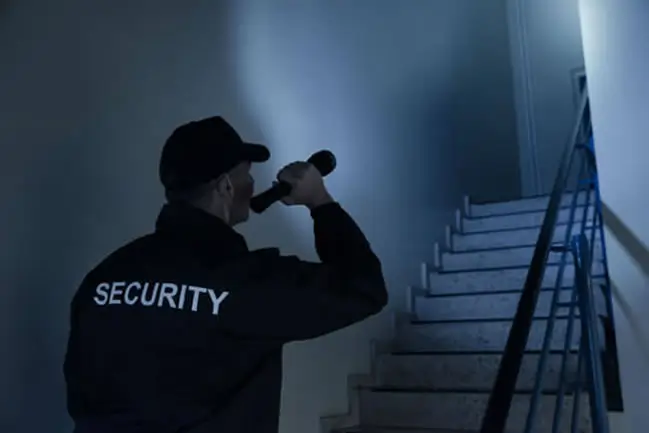
Visible Deterrence: The presence of uniformed security officers serves as a visible deterrent to potential threats such as theft, vandalism, or unauthorized access. Knowing that trained professionals are actively monitoring the premises can dissuade individuals with malicious intent from attempting to cause harm or commit illegal acts. This deterrent effect is particularly crucial for retail establishments, residential communities, and special events where the risk of security breaches may be higher.

Uniformed Security Services

Customized Security Solutions: Samaritan Protective Services understands that each client has unique security needs and challenges. By conducting thorough risk assessments and collaborating closely with clients, we develop tailored security plans to address specific vulnerabilities and concerns. Whether it’s implementing access control measures, conducting patrols, or providing on-site security for events, these customized solutions offer businesses comprehensive protection while fostering peace of mind.

Emergency Response Preparedness: In the event of emergencies such as natural disasters, medical crises, or security breaches, having licensed security officers on-site ensures a prompt and coordinated response. These professionals are trained to assess situations rapidly, communicate effectively with emergency services, and implement evacuation or containment procedures as necessary. Their presence can significantly reduce response times and minimize the impact of emergencies on businesses and communities.

Professionalism and Accountability: At Samaritan, we pride ourselves on maintaining the highest standards of professionalism and accountability. From punctuality and courteous demeanor to adherence to ethical guidelines and regulations, our security officers exemplify integrity and reliability in every interaction. This professionalism not only enhances the reputation of businesses but also fosters trust and confidence among clients and stakeholders.

Legal Compliance and Risk Mitigation: By partnering with a licensed security provider like Samaritan Protective Services, businesses can ensure compliance with relevant laws and regulations governing security operations. From licensing requirements to liability insurance coverage, reputable security firms take proactive measures to mitigate legal risks and liabilities associated with security incidents. This proactive approach not only safeguards businesses from potential legal repercussions but also demonstrates a commitment to upholding safety and security standards.

Peace of Mind for Clients and Stakeholders: Ultimately, the overarching benefit of employing licensed and professional uniformed security officers is the peace of mind they afford to clients, stakeholders, and communities at large. Knowing that capable professionals are safeguarding their interests and assets allows businesses to focus on their core operations without undue worry or distraction. Whether it’s protecting retail inventory, ensuring the safety of residents in a community, or orchestrating a successful event, the presence of trained security personnel instills confidence and tranquility.

The decision to invest in licensed and professional uniformed security officers is not just about mitigating risks; it’s about proactively enhancing security and peace of mind for businesses across diverse industries and settings. Samaritan Protective Services, with our commitment to excellence and client-centric approach, stands ready to partner with businesses of all sizes and types to provide comprehensive security solutions tailored to their unique needs. By prioritizing professionalism, expertise, and customized service, businesses can elevate their security posture and cultivate a safer environment for all stakeholders.

Uniformed Security Services

Situational Awareness in Personal Security: At Home, in Public, and While Traveling

Situational Awareness in Personal Security: At Home, in Public, and While Traveling

In an ever-changing world, personal security is a paramount concern. Whether at home, in public, or while traveling, maintaining situational awareness is the key to ensuring your safety and preventing potential threats. Samaritan Perspectives delves into the importance of situational awareness in various settings and offers techniques to enhance your personal security. We will also explore continuity planning, having an escape plan, and understanding assailant behavior to help you prevent personal crime effectively.

1. Situational Awareness: A Foundation for Personal Security

Situational awareness is the cornerstone of personal security. It involves being cognizant of your surroundings, understanding the potential risks, and being prepared to respond to threats effectively. Here’s how you can practice situational awareness in different scenarios:

At Home:

  • Secure your home: Use locks, alarms, and surveillance systems to deter potential intruders.
  • Be vigilant of suspicious activity in your neighborhood.
  • Ensure that all entry points are well-lit and visible from inside.
  • Have a safe room or designated area to retreat to in case of an intrusion.

In Public:

  • Avoid distractions: Put away your phone and remove headphones when walking in public.
  • Keep valuables out of sight and consider using anti-theft bags or pouches.
  • Trust your instincts: If something doesn’t feel right, it probably isn’t.
  • Stay in well-lit areas and avoid poorly lit, isolated locations.

While Traveling:

  • Research your destination: Learn about the local customs, laws, and potential risks.
  • Keep essential documents and a copy of them in a secure location.
  • Be discreet with expensive possessions, like cameras or jewelry.
  • Inform a trusted person of your travel plans and itinerary.
  • Know how to contact authorities in an emergency, including embassy or consular services.

Situational Awareness

2. Continuity Planning: Preparing for the Unexpected

While situational awareness can help you identify potential threats, continuity planning involves preparing for the unexpected. Consider the following continuity planning tips:

  • Have an emergency kit at home, including food, water, and first-aid supplies.
  • Establish a communication plan with family or friends in case of separation during a crisis.
  • Familiarize yourself with local emergency services and evacuation routes.
  • Stay informed about potential natural disasters or civil disturbances when traveling.

3. Having a Way Out: Be Ready to Escape Threats

In dangerous situations, having an escape plan can be a lifesaver. Here’s how to develop one:

  • Identify exit routes in public places, hotels, or unfamiliar buildings.
  • Teach your family members or travel companions the escape plan.
  • Keep a flashlight in case of power outages during an emergency.
  • Practice your escape plan periodically to ensure it is well-executed.

4. Understanding What Assailants Look For

Criminals often target individuals who appear vulnerable or unaware. By understanding what assailants look for, you can reduce your risk of becoming a victim:

  • Maintain confident body language and walk with purpose.
  • Keep your head up and make eye contact with people around you.
  • Avoid displaying fear or hesitation, as this can attract criminals.
  • Trust your instincts and be cautious if someone approaches you unexpectedly.

5. Preventing Personal Crime

Preventing personal crime goes beyond situational awareness. It involves a combination of strategies to keep you safe:

  • Personal self-defense training can boost your confidence and physical security.
  • Carry personal safety devices like pepper spray or personal alarms, only if properly trained and legal in your area of residence or travel.
  • Use only ride-sharing apps or licensed taxis when traveling late at night.
  • Avoid excessive alcohol consumption, which can impair judgment and situational awareness.

Situational Awareness

Situational awareness is the linchpin of personal security whether you’re at home, in public, or traveling. Combining this awareness with continuity planning, having an escape plan, and understanding assailant behavior significantly reduces your vulnerability to personal crime. By implementing these strategies and maintaining a proactive mindset, you can take control of your safety and enjoy a greater sense of security in an unpredictable world.

Contact Samaritan Protective Services today for a free consultation.

Samaritan specializes in Executive ProtectionCorporate SecurityWorkplace Violence ProtectionBodyguardArmed Security, Close Protection, Security Consulting, House of Worship, Dignitary Protection, Celebrity ProtectionEvent Security, Private Investigations, TSCM, Armored Car, Surveillance, Counter-surveillance, Secure Transportation, VIP Protection Services, Intelligence and Risk Advisory, Emergency Response, Security Training and more.

Copyright Samaritan Protective Services, Woodbridge, Virginia

Event Security: Is Your Business Ready for the Next Big Function?

Event Security: Is Your Business Ready for the Next Big Function?

Special and corporate events serve as the perfect platforms for businesses to showcase their products, celebrate achievements, and foster networking opportunities. However, while these events can be exciting and memorable, they also present unique security challenges that should never be underestimated. Ensuring the safety of attendees, staff, and assets is of paramount importance for event organizers, which is where Samaritan Protective Services steps in. With years of experience in providing security and risk management consulting for events of all scales, Samaritan plays a crucial role in making events not only successful but also secure.

Why Event Security Matters

Security and risk management are integral aspects of any event, be it a corporate conference, trade show, product launch, or special celebration. There are several reasons why these considerations are vital:

  1. Safety of Attendees and Staff: The well-being of all participants, including attendees and event staff, should be the top priority. A comprehensive security plan helps identify potential risks and ensures timely responses to any security incidents.
  1. Protection of Assets: Corporate events often involve valuable assets such as high-tech equipment, intellectual property, and confidential information. Effective security measures prevent theft, vandalism, or unauthorized access to sensitive data.
  1. Reputation and Brand Image: A security breach at an event can have a lasting negative impact on a company’s reputation. Demonstrating a commitment to safety through robust security measures enhances brand image and builds trust among stakeholders.
  1. Legal and Regulatory Compliance: Various jurisdictions have specific security requirements for events, and failure to comply can lead to legal consequences. Samaritan’s expertise in risk management ensures adherence to all necessary regulations.

Things to Consider When Planning Event Security

When organizing an event, there are several essential factors to consider to ensure comprehensive security:

  1. Risk Assessment: Conduct a thorough risk assessment to identify potential threats and vulnerabilities specific to the event’s location, size, and nature. This assessment forms the basis for creating a tailored security plan.
  1. Crowd Management: Managing large crowds effectively is critical for safety. Adequate crowd control measures, including entry and exit strategies, can prevent accidents and panic-inducing situations.
  1. Access Control: Implement strict access control measures to limit entry to authorized personnel and attendees only. Utilizing identification badges, wristbands, or electronic passes can help in this regard.
  1. Security Personnel: Engage a professional security service, like Samaritan Protective Services, with specialized experience in event security. Trained security personnel act as a visible deterrent and are prepared to handle any event security incidents discreetly and efficiently. Personnel can also provide covert and low-profile coverage, offering a less intrusive means of protection and response.
  1. Technology Integration: Leverage technology such as surveillance cameras, metal detectors, and access control systems to bolster the security infrastructure. Real-time monitoring enhances situational awareness and response capabilities.
  1. Emergency Preparedness: Develop a comprehensive emergency response plan that covers various scenarios, including medical emergencies, fires, natural disasters, or security threats. Conduct drills and brief all staff on their roles during emergencies.

The Importance of Duty of Care

Duty of care is a legal and moral obligation held by event organizers to ensure the safety and well-being of all participants. This concept is particularly significant in the context of special and corporate events due to the following reasons:

  1. Liability Mitigation: Demonstrating a duty of care through comprehensive security measures can help mitigate potential legal liabilities arising from accidents or security breaches.
  1. Stakeholder Confidence: Sponsors, exhibitors, and attendees need assurance that their safety is a priority. A strong commitment to duty of care instills confidence in stakeholders and encourages their continued support.
  1. Employee Morale: When organizing corporate events for staff, it is crucial to demonstrate that their employer values their safety. A safe and secure environment fosters employee morale and engagement.

Samaritan Protective Services brings unparalleled expertise and dedication to the field of event security and risk management. With years of experience providing specialized security services for events of all sizes and types, Samaritan stands as a reliable partner for your event’s success.

The team at Samaritan conducts meticulous risk assessments to identify potential threats, crafting a tailored security plan that addresses the specific needs of each event. From access control and crowd management to emergency response protocols and technology integration, Samaritan’s approach ensures all aspects of event security are addressed comprehensively.

Security and risk management are integral to the success and safety of any special or corporate event. With Samaritan Protective Services as your trusted security partner, you can be confident in the well-being of attendees, staff, and assets. By prioritizing duty of care, event organizers demonstrate their commitment to ensuring a secure and memorable experience for all participants. So, when planning your next event, remember that investing in comprehensive security services is a vital step towards achieving success and peace of mind.

Contact Samaritan Protective Services today for a free consultation.

Corporate Espionage: Are Your Trade Secrets Safe

Industrial Espionage: Are Your Trade Secrets Safe?

Background and Effects

 When the word espionage is used, it often brings visions of obscure intelligence agents making dead drops of secret information and products under cover of darkness.  Movies, television and pop-culture have put an indelible mark on the public’s perception of spying, espionage and sabotage.  While opposing nations and militaries have been conducting intelligence, surveillance and reconnaissance operations for millennia, it is often overlooked that private corporations and organizations do the same thing.  Additionally, state sanctioned collection of industrial, economic, technological and other intellectual property is occurring at an increasing and alarming rate.  This poses a danger not only to national security interests, but competitive advantage of private corporations.  According to the Federal Bureau of Investigation (FBI), the U.S. economy alone suffers a loss of between $225-$600 billion per year as a result of counterfeit goods and theft of trade secrets.

What is Industrial / Corporate Espionage?

 Espionage, more commonly referred to as spying, is the attempt to gather and transmit unauthorized and potentially sensitive data from one entity to another, gaining a competitive advantage.  The information and proprietary information sought depends on the target and the intelligence needs of perpetrator.  Some may include:

  • Product and/or Service Pricing
  • Future Patents
  • Customer Databases
  • Marketing Plans & Techniques
  • Product Research & Development
  • Board Meeting Minutes
  • Public and/or Private Bid Proposals
  • Product Ingredients
  • Employee Information
  • Business Continuity Plans

Who is at risk?

Any organization that produces a specialized product and/or service, is vulnerable to corporate espionage.  This does not limit itself to large, multinational corporations.  Organizations that are integrated with, produce for or service Critical Infrastructure are at increased risk.  As an example, a recent FBI study revealed the following sectors to be of significant interest to the government-sponsored collection efforts of the People’s Republic of China:

  • Information Technology
  • Robotics
  • Aerospace & Defense
  • Maritime & Transportation Technology & Systems
  • Electric Vehicle Technology
  • Agricultural Industry
  • Medical & Pharmaceutical Research

Who are the Perpetrators?

 The tactics, techniques and procedures that competing organizations deploy to gain access to sources and assets for industrial espionage are often similar in nature to those that have been put into practice by nation states.  Visual surveillance, stealing physical documents from secure environments using insider sources, utilizing blackmail, extortion and bribery are common.  Additionally, the use of information technology and malware to exploit cyber security gaps and gain access to networks have increased exponentially.  The ability exists for a talented and modestly equipped hacker to steal information from across the globe, with a few keystrokes.

Nation states such as China, North Korea, Russia and others are known to have active and robust corporate, economic, cyber and industrial espionage operations on a global scale.  Often overlooked are the potential insider leaks that an organization may face, from disgruntled employees to those seeking financial gain or being extorted.

Is Competitive Intelligence the Same as Espionage?

Competitive Intelligence is the use of publicly available data to develop business and marketing strategies.  It can be helpful in benchmarking sales and customer preference trends along with marketplace dynamics.  It is legal and used by businesses of all types and sizes in an effort to streamline processes and improve their product or services.  There are even specialized firms that provide Competitive Intelligence as a service by using open-source tools and techniques to deliver actionable data points to company decision makers.

Information Security

 Information Security, often shortened to INFOSEC, is the practice of actively mitigating information risks, preserving sensitive or privileged information and identifying leakage early.  Protocols are in place to ensure only personnel with “need to know” have access to specific information while minimizing risks, such as employee theft, external collection, information technology vulnerabilities, social engineering and sabotage.

  • Deter potential entities from assessing the organization and/or its personnel as being an easy target. Every organization, regardless of size, should have a detailed and comprehensive information security policy in place.  A thorough risk and vulnerability assessment is conducted to drive that set of policies.
  • Detect unauthorized intrusions, data leakage, employee theft and internal vulnerabilities. Physical security protocols play a key role in the protection of information by ensuring access control measures are strictly adhered to by everyone.
  • Deny an adversary the ability to carry out successful collection by implementing sound infosec practices, such as safe storage, adherence digital information transmission guidelines and encouraging personnel to report suspicious activities or people attempting to gain unauthorized physical or digital access.
  • Defend against an attack, such as from cyber intrusions or malware by ensuring network systems are protected (anti-virus, firewalls, personnel training and awareness). Additionally, physical, information, cyber and corporate security professionals should be synchronized and coordinate efforts to mitigate and adapt to current and emerging threats.

Espionage and the Law

Samaritan Protective Services is a leading risk management and intelligence provider, meeting the unique needs of clients nationally and globally.  If you or your organization is in need of open-source intelligence, counter-espionage and/or security consulting, contact us today.  Samaritan’s team of professional risk managers will discuss our portfolio of risk management solutions and how a strategic partnership with us can provide value and peace of mind.

Contact Samaritan Protective Services today for a free consultation.

Samaritan specializes in Executive Protection, Corporate Security, Workplace Violence ProtectionBodyguard, Armed Security, Close Protection, Security Consulting, House of Worship, Dignitary Protection, Celebrity ProtectionEvent Security, Private Investigations, TSCM, Armored Car, Surveillance, Counter-surveillance, Secure Transportation, VIP Protection Services, Intelligence and Risk Advisory, Emergency Response and more.
Copyright Samaritan Protective Services, Woodbridge, Virginia

Listening & Recording Devices: Are You Being Bugged?

Listening & Recording Devices: Are You Being Bugged?

Copyright Samaritan Protective Services, Woodbridge, Virginia

Have you had a private conversation with a confidant only to have details emerge later?  Discussed a new technology or product your firm is developing, then learn a competitor is releasing a very similar or identical item?  Does nothing seem to stay within the confines of four walls and your activities are always known?  As surprising as it may sound, you may be bugged!

History Of Bugs:

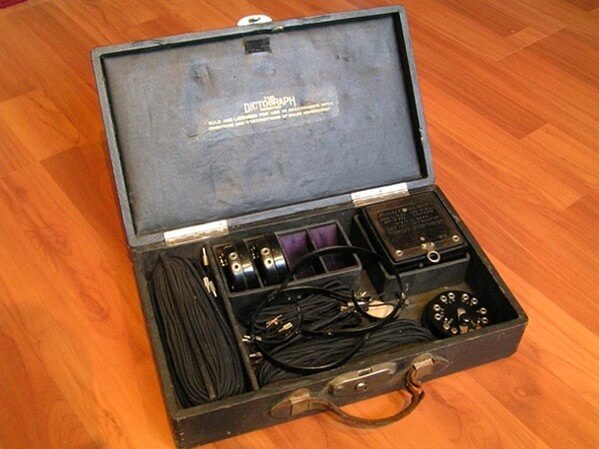
Despite being considered a high-tech form of espionage (which they can be), technical surveillance has been occurring for some time.  One of the earliest known listening devices to receive a patent in the U.S. was the Dictograph.  This device placed a microphone in one location and a remote listening post equipped with a phonograph for recording.  The Dictograph dates to 1906.

Adversarial nations have been conducting technical surveillance for decades.  It was a staple intelligence collection tactic during the Cold War and continues to remain a viable option today.  Corporate espionage is a very real and dangerous problem for many sectors, especially Critical Infrastructure.  The loss of proprietary information, trade secrets, research and development can lead to significant security and economic damage.

Means of Deployment:

There are three main categories of illicit device deployment:

  • Plug & Play: Quickly and easily plug into a power source after positioning and leave. Designed to transmit information over a specific frequency, such as to a cell phone.
  • Leave & Retrieve: Contains onboard limited power supply, such as with a digital recorder and is designed to be left in a designated area to be surveilled, then retrieved at a later date for data collection.
  • Hardwired: The most complex and difficult to detect, as these devices are typically embedded within appliances, have sustained power supply, require planning and expertise to deploy. Typically placed in areas that frequent conversations such as conference and break rooms.  Are often disguised as fire alarms, radios, TV’s, clocks and many other common office or home devices.

Types of Devices:

Through the years, listening and recording devices have been improved significantly, both in their covert nature and ability to capture detailed audio and video.  They are also easily obtainable, overall inexpensive and easily deployed with minimal skill and training.  Additionally, some usually innocent devices may be used to conduct illicit surveillance activities.  While by no means an exhaustive list, here are a few types of listening, monitoring and recording devices.

  • Two-Way Radios & Baby Monitors: Easily obtainable, cheap and simple to deploy. With a constant power supply, these can transmit indefinitely or until discovered.
  • Digital Recording Device: Very affordable and newer models can record for days and have voice activation, increasing battery life. Must be physically retrieved for exploitation.
  • Remotely Activated Cell Phones: This requires specialized software (apps), physical access to the phone and additional technical skills, however it is completely possible to turn someone’s phone into a remote listening device. Activation of cameras, interception of live phone calls and video messaging is possible with today’s technology.
  • Laser Microphones: These are extremely powerful and prohibitively expensive listening devices that bounce a specialized laser off glass (such as in an office building), detect the vibrations from conversations and send back to the operator for conversion into audio and further exploitation. Extremely rare in the private sector.
  • Covert Audio/Video Cameras: These devices are small, wi-fi capable, inexpensive and easily obtainable from spy shops, eBay and Amazon. They are often designed to be hidden inside other objects such as stuffed animals, tissue boxes, cell phone chargers or other electronic devices.  These can also be hidden on people, such as lapel pins, buttons, writing pens and even shoes.

What is TSCM?

Technical Surveillance Countermeasures (TSCM) is the systematic and comprehensive detection, identification and potential neutralization of illicit recording, listening or monitoring devices.  Proper TSCM is conducted by trained and industry certified technicians with some of the most advanced detection equipment available.  These TSCM specialists have years of operational experience, hands-on technical training and subject matter expertise in the field.

Buyer Beware:

There are countless online spy shops and specialty stores that offer low priced, cheaply made and mostly ineffective “bug detection” gear.  These devices often have flashing lights, gimmicky names and detect very limited frequency bandwidths only inches away.  Do not trust your privacy to toys.  Detection of illicit devices requires numerous specialized (and expensive) pieces of equipment that detect certain types of devices, radio frequency bands, infrared and even microwave transmissions.   From non-linear junction detectors to spectrum analyzers or near field detection receivers and other specialized equipment, the correct devices must be used to comprehensively detect, identify and neutralize covert technical surveillance devices.

Samaritan Protective Services has the trained personnel, operational experience and assets to meet the unique needs of clients nationally and globally.  If you or your organization is in need of a quality and comprehensive technical surveillance countermeasures program, contact us today.  Samaritan’s team of professional risk managers will discuss our portfolio of risk management solutions and how a strategic partnership with us can provide value and peace of mind.

International Travel Security: Considerations for a Safe Journey

Copyright Samaritan Protective Services, Woodbridge, Virginia

International Travel Security: Considerations for a Safe Journey

International travel can be an enjoyable and productive part of life for personal and professional reasons.  For the most part, everyone has to travel at some point to support business, organizational priorities or maybe just a family vacation.  Whether a veteran business traveler or new passport holder eager to see the world, there are some active steps to help reduce risk.  We will discuss some key security and wellbeing considerations while also sharing resources to help ensure a safe and effective trip.

  • Situational Awareness & Blending In: Situational awareness is a learned skill that everyone should develop. Simply being aware of your surroundings and identifying if you may be followed or surveilled can give valuable time to seek assistance or safety.  If something doesn’t feel right, it probably isn’t.  Listen to your gut instinct, as it could save your life.  Additionally, you might be a tourist, but you shouldn’t look like one.  Take note and do research on the area you are visiting, how the public dresses and local customs.  In most situations it is quite easy to spot someone that is not a local.  Opportunistic criminals may specifically target tourists or foreign business travelers due to the perceived ease of access and vulnerability.  Make yourself a “hard target”.
  • Document Control: Never surrender your passport or other important documents to anyone that cannot be verified. If your passport is lost or stolen, contact your country’s nearest embassy or consulate for emergency assistance.
  • Political Considerations:
  1. Corruption & Social Concerns: Many countries have a serious problem with corruption that can affect the safety, security and freedom of movement for foreigners. Additionally, there may be socially acceptable activities in one country that are severely restricted, banned or could put an individual in legal peril in another. For example, there are some countries in which LGBTQ activities could result in prison or worse. Contact your embassy or consulate for additional information.
  2. Government Stability: Some countries are suffering from internal strife, potentially threatening their very existence. The fall of a government would pose many challenges and potential security risks to a traveler. There could be rioting, destruction of infrastructure, a military takeover or loss of basic public services. As an example, just this month the President of Sri Lanka resigned and fled the country due to failed domestic and economic policies, leaving a power vacuum. It is advised to research and assess the nation’s government stability before travel.
  3. Civil Unrest: Along with the previously mentioned government stability, other social and economic consideration could lead to demonstrations and/or civil unrest. France, for example, is well known to have frequent labor strikes and demonstrations that lead to property damage, transportation shutdowns and even violence. Find out what the geopolitical landscape and local issues of the country are, along with planning mitigation strategies prior to your trip.
  4. Intelligence Gathering & Cyber-Security: There are many countries that are not as open and trusting with foreigners. Additionally, some nations actively conduct surveillance, intelligence gathering and signals interception against Western guests. If your travels take you to “unwelcome” territory, you can be all but certain that your accommodations are bugged for listening and/or video recording and more than likely being surveilled. In countries such as North Korea, Russia and Iran, surveillance and control of incoming and outgoing communications is prevalent.

Crime Statistics

  1. Types of Crimes and Targeted Demographics: Crime statistics and types change dramatically with location. For example, Mexico City has a higher rate of petty crimes and theft than Copenhagen. It’s imperative to analyze and be familiar with who is conducting crimes, those typically targeted and assess whether you could fall within the risk spectrum.
  2. Area Specific Crimes: There are areas within countries and even individual cities that have varying levels and types of crime. Some areas might have increased drug related crimes, others may have kidnapping risks to foreigners. Crime is also frequently different between urban and rural areas. It’s important to have an understanding of the risks associated with the specific areas to be traveled.

Terrorism Risks: Unfortunately, there are very few places in the world that have little to no risk of terrorist activity. Often, terrorist attacks are initiated in heavily populated areas such as shopping centers, sports arenas or places of worship. Also, a specific demographic may be targeted. Ensure you have as much information about the overall risk as possible. There are numerous publicly available resources to gain valuable information; some are at the bottom of this article.

Food & Water Safety: Food security and water safety standards are not universal. Some countries, particularly developing nations, have very few food safety regulations and policies. Know where your food is coming from and who prepared it. If in doubt about the safety of the water source, stick with sealed bottled or canned water/drinks. Dry or packaged foods are typically safer due to factory sealing. Avoid raw or undercooked foods that may contain pathogens. If prepared food is considered, ensure it is served hot, as high heat kills the majority of germs that cause illness.

Road Safety & Public Transportation: If you will be driving, be cognizant that road surfaces may not be up to the standard you are accustomed in your home country. As an example, Switzerland has some of the best road surfaces and lowest traffic accidents in the world. In comparison, Madagascar is known to have few paved and safe roads to travel on. If using public transportation, be knowledgeable about the safety record of the subway systems, buses and taxi services. Some older systems in less developed countries do not meet the stricter safety requirements that most are used to in the West.

Availability & Access to Healthcare: Falling ill or suffering from an injury in another country can be frightening and potentially life threatening. Does the host country have adequate and available healthcare? Does your insurance provide coverage for services outside of your home country and are there provisions for emergency evacuation? This is an important consideration that most people forget.

Key Points of Contact: It is very important to have names, numbers and addresses of key contacts within the area of travel. Save contact information for consulates and embassies. Also, know how to reach emergency services. In the United States, the number is 911 but, in the UK, it is 999. Ensure that someone (friends, family or business associates) know where you are and have a way to contact you. In times of emergency, seconds count and knowing how to contact help is critical.

Emergency Evacuation: A key component of any security and risk management plan is to have a way out. Are plans and assets in place to hasten your departure due to an emergency, civil unrest or illness? Do you have an open-ended transportation ticket? Who will you contact to assist evacuate you, your colleagues or loved ones?

Online Resources:

  1. Overseas Security Advisory Council (OSAC) – Provides detailed information on the security, geopolitical and crime statistics on countries around the world.
  2. U.S. Department of State – Issues travel alerts based on updated and relevant information on crime, terrorism, health concerns and more.
  3. CIA World Factbook – A wealth of general information on the history, political nature, geography and people of a country.
  4. UK Foreign Office – The same principle as the U.S. Department of State advisories for travel. Another great source of country specific information and security concerns.

Samaritan Protective Services has the trained personnel, operational experience and assets to meet the unique needs of clients nationally and globally.  If you or your organization is in need of a quality and comprehensive travel security program, contact us today.  Samaritan’s team of professional risk managers will discuss our portfolio of risk management solutions and how a strategic partnership with us can provide value and peace of mind.

Continuity Planning: Ensure Resilience Before, During and After a Disaster

Copyright Samaritan Protective Services, Woodbridge, Virginia

The Only Thing Certain is Uncertainty

Businesses and organizations of all types and sectors face unique challenges to their operations on a daily basis, however some incidents can pose more significant risk than others. We live in an unpredictable world that poses hazards in many ways. From natural disasters to terrorist attacks or cyber threats, the risk landscape is ever evolving and requires consistent mitigation strategies. Some private sector businesses play a vital role in the protection, operation and maintenance of Critical Infrastructure (CI) systems. Some of these can include energy, healthcare, transportation and communications, requiring comprehensive strategies and planning to ensure continued operations after a disaster.

Organizations must update plans, train personnel and test their Continuity of Operations (COOP) planning on a regular basis. The planning process should include key leaders and stakeholders to determine the organization’s unique needs and challenges during a contingency. A Business Continuity Plan (BCP) must be tailored to each organization, their functions and essential operations; not approached with a cookie-cutter mentality.

Disaster and Recovery Response

What is Business / Organization Continuity Planning

In short, a BCP is a multifaceted set of detailed plans, processes and actions that facilitate mission essential tasks and operations continue, allowing the organization to recover from a significant negative impact event. The plan consists of numerous parts, including a detailed Risk Assessment, Business Process Analysis, Impact Analysis and prioritization of essential functions.

Determine Mission Essential Tasks & Operations

Determining essential tasks (and who is responsible for their execution) for the organization to continue operations is one of the most important and tedious parts of the BCP. This is a very unique and specialized process to each organization. What is vital for a telecommunications organization to continue operations will be different from a healthcare facility.

Some things to consider:

  • Location: If the primary location of operations is compromised, is there a secondary location identified, equipped and staffed to support critical operations? Can these functions be accomplished remotely or require on-site personnel and specialized equipment?
  • Communication: Does your organization require constant and reliable communication with staff, customers or government agencies? What happens when the power goes out? Has alternative power generation been considered? If power is off-line, does this affect your physical security systems?
  • Specialized Equipment: Does your business require the use of special or not easily replaceable equipment or devices? If this device went off-line for a period of time, how would that effect operations? Are there operational redundancies or backups?
  • People: People are the most important resource to any organization. Have key players been identified and understand their role in a contingency, to include any required delegation of authority? Are plans in place to provide life support, economic aid or support to families after a disaster? If a key player is incapacitated or unwilling/unable to support COOP operations, are others identified with the required training and understanding to perform the duties of the primary? Has a dedicated Crisis Action Team been established?
  • Record Keeping: Most businesses are required to keep certain things on record for a period of time. This might be financial records, personnel files, client information or numerous other types of data that is crucial for the organization to operate. If access to this record was curtailed or the data was destroyed, how would this effect your organization? Are there backup servers, cloud-based resources or hard copies available?
  • Partner Organizations: Some organizations require the assistance of outside entities or suppliers to effectively run operations day to day. What are the potential impacts if a key supplier is unable to deliver critical supplies or services? What are the impacts if this is reversed and your organization is unable to deliver? Are there additional vendors or partners available in emergency situations? Are agreements in place between partner organizations that specifically address contingencies?

Develop, Test and Update the Plan

A well designed BCP goes through a cycle and is continuously updated to reflect changes within the company, operating environment, personnel and new and emerging threats.

One of the most important aspects of a well-established risk management plan is testing and exercising.  A plan is only as good as its weakest part.  Key leaders should regularly test what works, what doesn’t and identify vulnerabilities or parts of the BCP that may be difficult or impossible to implement.  Also, both key personnel and general staff should be informed and trained on their roles, responsibilities and expectations in a COOP scenario.

Does your organization need assistance creating, updating or exercising your BCP? Samaritan provides organizations of all sizes comprehensive continuity consulting.  Our staff has years of contingency planning experience in the private sector and the federal government, to include Continuity of Government (COG) planning.

Executive Protection: A Critical Component of a Comprehensive Security Package

Executive Protection: A Critical Component of a Comprehensive Security Package

Copyright Samaritan Protective Services, Woodbridge, Virginia

What is Executive Protection?

Executive Protection (EP) is defined as a unique and specialized security program with the primary function of providing for the protection of individuals from tangible and intangible threats or risk factors.  Depending on location and market, EP goes by many names; Bodyguard, Close Protection Operative, Personal Protection Specialist and a host of others.

Typical Executive Protection end users may include some of the following:

  • Corporate Executives
  • Celebrities
  • Diplomats
  • Political Candidates
  • Religious Figures
  • Media Personalities
  • Threatened or At-Risk Persons (Domestic Violence Survivors, Workplace Violence, etc.)

Services are often provided on an as needed basis, such as for special events or when there is an elevated risk due to internal or external factors.  Some Principals require around the clock protection.  Each situation is unique and requires an in-depth analysis in order to provide the needed services.

Who are the “Protectors”?

Capable EP Agents come from a diverse spectrum of backgrounds, providing specialized insight into risk management and the protection of people, property, information and reputations. Most (but not all) are former military, law enforcement or come from the intelligence field. Executive Protection should not be an “entry level” profession and takes years of training, operational experience and maturity to provide the highest level of client service.

Each state mandates specific training and licensing requirements for security personnel, including Executive Protection. Additionally, more advanced training in specialized areas is required.

Some of these may include:

  • Successful Completion of Advanced Executive Protection Training
  • Emergency Medical Technician / Basic Life Support
  • Protective Driving
  • Solo Practitioner Operations
  • Threat & Vulnerability Assessments
  • Advanced Weapons Handling
  • Open-Source Intelligence (OSINT)
  • Concierge & Customer Service
  • Behavioral Analysis
  • De-escalation Techniques
  • Surveillance & Surveillance Detection
  • Estate & Residential Security Practices
  • Domestic & International Travel
  • Physical Security & Access Control

The media and Hollywood often portray a stereotypical Bodyguard in a dark suit, sunglasses with an earpiece and is more brawn than brains.  This could not be farther from the truth.  Successful and experienced practitioners utilize intelligence, analysis and threat detection to navigate the risk landscape for clients.  The primary function should always be to detect, monitor, mitigate and avoid risks as opposed to responding to them.  While risk can never be truly eliminated, with proper planning and coordination it can be significantly reduced.

An Effective Team Integration

To ensure efficiency, productivity, safety and client satisfaction, Executive Protection personnel should be integrated within the team.  This can and should include Corporate Security Managers, Human Resources, Facility Managers, Personal Assistants and even Home Office Staff (Butlers, Nanny’s, Estate Managers, etc.).

EP practitioners should be viewed as trusted partners dedicated to the success of the organization, individual or family they serve.  They have a specialized but enormous responsibility to the Principal.

Is Your EP Program Effective?

Some organizations have in-house security and protective services.  Some have none and others outsource due to a number of reasons.  Many factors play a part; financial, perceived need or lack thereof, company culture and desires of the protectee.  Does your EP team have the required training, licensing and experience? Are they effective members of an overall risk management strategy? Have you considered the risks in not having an established program in place?

Samaritan Protective Services has the trained personnel, operational experience and assets to meet the unique needs of clients nationally and globally.  If you or your organization is in need of a quality and comprehensive EP program, or you are not pleased with your current one, contact us today.  Samaritan’s team of professional risk managers will discuss our portfolio of risk management solutions and how a strategic partnership with us can provide value and peace of mind.

Contact Samaritan Protective Services today for a free consultation.

Samaritan Protective Services is located at 3985 Prince William Parkway, Suite 203, Woodbridge, VA 22192. Founded in 2015, we specialize in Executive Protection, Corporate Security, Workplace Violence ProtectionBodyguard, Armed Security, Close Protection, Security ConsultingSecurity for places of worship, Dignitary Protection, Celebrity ProtectionEvent Security, Private Investigations, TSCM, Armored Car, Surveillance, Counter surveillance, Secure Transportation, VIP Protection Services, Intelligence and Risk Advisory, Emergency Response and more.

Workplace Violence: Training, Prevention & Response

Workplace Violence: Training, Prevention & Response

Copyright Samaritan Protective Services, Woodbridge, Virginia

The threat of violence in the workplace continues to increase.  It is a very real hazard that does not discriminate between people, type of work environment or location.  Security Managers and Human Resources personnel must have a detailed plan of action in order to prevent violence in the workplace.

2021 has proven to be challenging for corporate risk managers.  This year alone, there have been numerous attacks in diverse workplaces.  Here are a few examples:

  • May 26th, 2021 – A mass shooting took place in San Jose, California at the Santa Clara Valley Transportation Authority. The gunman killed 9 people and later committed suicide.  The subject had been employed since 2012.
  • Aug 3rd, 2021 – Gunman entered a dentist office in Tennessee shortly before 6am and opened fire, striking a manager and two Security Officers. Subject was a former employee and subsequently killed by responding law enforcement.
  • August 27th, 2021 – A Department of Public Works employee in Mt. Vernon, New York fatally stabbed a coworker after a dispute.
  • September 23rd, 2021 – Active shooter killed one person and wounded 12 people in a Kroger grocery store prior to taking his own life.  The shooter was identified as a former employee, terminated the previous Thursday

What is Workplace Violence?

 The Occupational Safety and Health Administration (OSHA) defines Workplace Violence as: “any act or threat of physical violence, harassment, intimidation, or other threatening disruptive behavior that occurs at the work site. It ranges from threats and verbal abuse to physical assaults and even homicide”.

Recognize the Stressors & Signs Leading to Workplace Violence

There are many stressors that can lead someone toward a path of violence.  According to the FBI Behavioral Analysis Unit, more than one stressor on an individual has typically manifested prior to an act of violence.

Stressors may include:

  • Diagnosed and undiagnosed mental health problems
  • Financial difficulties
  • Job performance or issues
  • Relationship conflicts with friends, parents or coworkers
  • Spousal problems
  • Drug and/or alcohol abuse
  • Criminal or Civil concerns
  • Loss of a close friend or family member
  • Sexual Frustration

Typically, there are pronounced and visible warning signs that someone could be planning or thinking about committing violence.  Supervisors, corporate security managers and co-workers should be keenly aware of “red-flags”.

Signs may include:

  • Making direct threats toward people or an organization
  • Displaying an unusually angry or argumentative demeanor and easily agitated
  • Shares an interest in previous attacks or acts of violence
  • Minimizes the value of human life
  • Makes vindictive or vengeful statements, such as “He will get what he deserves”
  • Displays symptoms of chronic depression; lethargic, not engaged, loss of interest in previously enjoyed activities, loss of confidence, etc.
  • Makes suicidal comments
  • Has a known drug or alcohol addiction
  • Fascination or obsession over weapons and dangerous items
  • Is nervous, paranoid and always seems “on edge”

None of these items alone mean that a person is actively planning an attack or is dangerous.  That being said, multiple warning signs can be an indicator that the individual may be unstable and intervention could be required to ensure the safety of all, including the person concerned.

Planning & Preparation

Most might believe that acts of violence in the workplace are random, hastily thought out and executed planning.  This can sometimes be true; however, data shows that most assailants conduct extensive planning.  The FBI published surprising statistics regarding assailant planning and preparation:

Planning: The act of making the decision to carry out an attack, justifying the motive, selecting targets and conducting research.

 Preparing: The act of gaining materials (firearms, explosives, knives, etc.), dry runs, testing security vulnerabilities and finalizing personal affairs.

Planning Time Preparation Time
26% 1-2 Months 28% Less Than 24 Hours
18% 3-5 Months 26% 1 – 7 Days
15% 8-30 Days 22% 8 – 30 Days
12% Less Than 24 Hours 11% 1-2 Months
12% 1-7 Days 9% 3-5 Months
9% 6-12 Months 4% 6-12 Months
8% 13-24 Months

*Percentages rounded

Prevention of Workplace Violence

Preventing acts of violence in the workplace does not happen by accident.  Prevention and response require a deliberate, calculated and comprehensive plan to be effective.

  • Have a Plan – Corporate SOP should have a comprehensive plan in place to address the identification of threats, intervention and prevention of workplace violence. Does the business continuity or facility security plans have protocols in place for what to do during an active attack situation?  Has a workplace vulnerability assessment been completed?
  • Employee Training – According to a 2019 SHRM study, 19% of HR personnel do not know what to do or how to handle potential workplace violence and 55% of workers are unsure or unaware of their employers’ workplace violence prevention strategy. It is important to have regular, relevant and tailored training programs in place for the workforce and corporate leadership.
  • Human Resources & Security Cooperation – Human Resources and Security personnel should play an active role in the prevention of workplace violence. From the hiring process to identification of red flags and intervention, a constant line of communication should be in place.  Many companies offer programs to reduce stress, access to mental health professionals and an open-door policy to air and resolve grievances.  The strategies used should be tailored to the company, workforce and potential vulnerabilities.  It takes teamwork at all levels to reduce risk across the board.
  • Response – It is imperative to have a detailed plan of how to respond to an active attack. Close coordination with local law enforcement, employee response training (run, hide, fight) and third-party risk managers are valuable tools to reduce risk and respond appropriately.